Gold Tokenization Is Moving Closer to the Mainstream
Planning to store gold, invest in it, or pass it on to the next generation? The way people access this timeless asset is changing. Gold is no longer limited to coins, bars and vaults. Digital gold tokens are opening a new, flexible route to own, transfer and manage gold securely.
Digital gold is changing how people buy, hold and transfer one of the world’s oldest assets. From gold-backed tokens to digital platforms linked to physical bullion, new options are making ownership more accessible and flexible. This guide explores how digital gold works, its potential benefits, and what you should consider before getting started.
What Is Tokenized Gold?
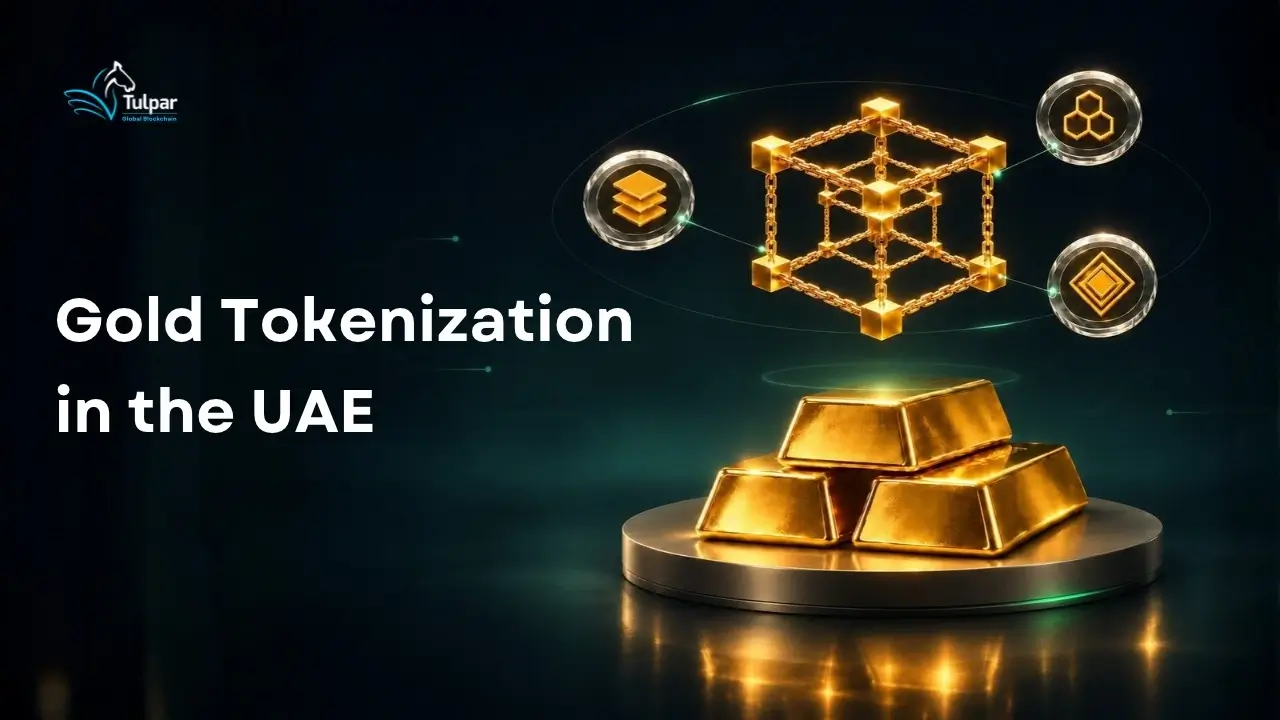
Gold Tokenization generally involves issuing digital tokens linked to physical gold held under a defined custody arrangement.
In a typical model, bullion is stored securely in a vault while corresponding tokens are issued and recorded on a blockchain. The blockchain can record token issuance, ownership and transfers, but it does not itself store the gold or prove that the underlying bullion exists.
That distinction is fundamental.
The credibility of a gold-linked token depends on what sits behind it: who owns the gold, where it is held, how physical gold reserves are verified, what legal rights the token holder receives and how redemption works.
Depending on the product, an ERC-20 token (such as XAUT) may represent ownership of a specified quantity of gold, an interest in a pooled reserve or a contractual claim against an issuer.
Where permitted, tokens may be transferred across compatible blockchain networks and digital wallets, traded through available platforms or redeemed for cash or physical metal. In some structures, redeemed tokens are removed from circulation through a controlled digital “burn” process.
The development of tokenized gold is therefore less about giving gold a digital identity and more about creating new infrastructure around the way ownership interests can be recorded and transferred.
The Evolution of Gold into a Digital World Asset
In February 2026, Reuters reported that nearly 20 gold-backed tokens, such as Tether Gold and PAX Gold (PAXG), in the broader cryptocurrency space alongside Bitcoin had reached a combined market capitalisation of close to US$6 billion, citing CoinGecko. That was more than four times the level recorded at the end of 2024.
The market remains small compared with global bullion, but the growth is significant. It reflects a wider shift towards bringing real-world assets into digital financial infrastructure.
As a form of digital gold, gold Tokenization sits at an interesting intersection powered by modern blockchain technology. It combines an asset recognised across generations and geographies with blockchain infrastructure designed for digital records, fractional ownership and programmable transactions.
The aim is not to replace physical gold. It is to create a digital representation that can make interests linked to gold easier to hold, transfer and integrate into digital financial systems and DeFi applications.
The Benefits and Challenges of Tokenised Gold
One of the main attractions is fractionalisation.
Physical gold is generally purchased in standard gold bars, troy ounce, or coin sizes. Tokenization can potentially divide exposure into much smaller digital units, creating greater flexibility in how gold-linked products are structured and accessed.
Transferability is another advantage.
Moving physical bullion can involve security arrangements, insurance, logistics and settlement time. A digital representation may instead be transferred between authorised wallets while the underlying metal remains securely held in custody.
This can be particularly relevant in digital platforms and cross-border environments where physically moving the underlying asset for every transaction would be inefficient.
Blockchain infrastructure can also provide a more connected record of issuance and transfers. Programmed rules using smart contracts and API integrations may support functions such as wallet permissions, controlled transfers and automated issuance or redemption processes.
However, these benefits should not be overstated.
Digital transferability does not guarantee liquidity. An asset may be technically easy to transfer while still having a limited number of buyers, sellers or trading venues.
Likewise, an on-chain record does not automatically prove that the corresponding bullion exists. The quality of custody arrangements, reserve verification, reporting and legal documentation remains central to the credibility of any gold-token model.
The Role of Gold in Real World Asset Tokenization
Gold is a natural example of the wider real-world asset, or RWA, tokenization trend because the underlying asset is tangible, globally recognised and supported by an established international market.
The technology is not attempting to create value from an unfamiliar asset. Instead, it introduces a different way of recording and transferring interests in something investors and businesses already understand.
That makes gold an important test case for the wider RWA market.
Similar concepts are being explored across securities, gold ETFs, funds, commodities and other asset classes. The wider question is whether blockchain-based infrastructure can improve how real-world assets are held, transferred, reconciled and integrated into financial platforms.
For this to develop sustainably, the digital layer must remain connected to the legal and commercial reality of the underlying asset.
The UAE’s Role in the Future of Gold Tokenization
The UAE and wider GCC provide a particularly relevant environment for gold Tokenization .
The region has longstanding commercial and cultural connections to gold and plays an important role in commodities trading, wealth management, asset management, international commerce and financial services.
At the same time, the UAE has developed a significant ecosystem around blockchain, Web3 and virtual assets.
Dubai’s regulatory framework is already addressing virtual assets linked to real-world assets.
The Virtual Assets Regulatory Authority, VARA, recognises Asset-Referenced Virtual Assets (ARVAs) alongside stablecoins, and its guidance specifically uses gold as an example of an asset that may be referenced by a virtual asset.
The Virtual Assets Regulatory Authority, VARA, recognises Asset-Referenced Virtual Assets (ARVAs) alongside stablecoins, and its guidance specifically uses gold as an example of an asset that may be referenced by a virtual asset.
The framework considers areas such as reserve assets, ownership rights, disclosures, reporting, audits and redemption arrangements.
This highlights one of the most important points in the gold-Tokenization discussion: the blockchain is only one part of the structure.
The digital token, physical bullion, custody arrangements, legal rights and regulatory requirements all need to work together.
The UAE’s wider Tokenization landscape is also developing beyond commodities.
In March 2026, CoinDesk reported that tokenised equities and ETFs from Ondo Finance received regulatory approval for trading through Binance’s multilateral trading facility in Abu Dhabi Global Market.
That development concerned tokenised securities rather than tokenised gold, but it demonstrates the increasing attention being given to regulated tokenised-market infrastructure in the region.
For the UAE and GCC, the opportunity lies in combining an established commodities market with rapidly developing digital financial infrastructure.
What Will Determine the Success of Gold Tokenization
Gold Tokenization is still an emerging market, and its next phase will depend on much more than technological capability.
Custody will remain one of the most important considerations. A token can exist on-chain, but holders still need confidence that the underlying bullion exists, is properly controlled and supports the rights represented by the token.
Reserve verification, proof of reserves, and independent assurance are therefore likely to remain central to market credibility.
Legal rights will also matter increasingly as products become more sophisticated. Two tokens referencing the same quantity of gold may provide very different rights depending on their legal structure, custody arrangements and redemption terms.
Liquidity will be another test.
Making an asset transferable through blockchain infrastructure does not automatically create an active market. Sustainable adoption will require reliable market access, trusted participants and infrastructure that allows buyers and sellers to transact efficiently.
Regulation will also play an increasingly important role. As more traditional assets interact with digital infrastructure, regulators will continue addressing questions around issuance, custody, reserves, investor rights, disclosures and market conduct.
The strongest gold-Tokenization models are therefore likely to be those that bring several elements together: credible physical reserves, transparent digital records, reliable custody, clearly defined rights and appropriate regulatory oversight.
Gold itself may be thousands of years old, but the infrastructure surrounding how ownership is recorded, transferred and administered continues to evolve.
Tokenization represents one possible next step in that evolution—connecting one of the world’s oldest stores of value with a new generation of digital financial infrastructure.
Discover Real World Asset Insights from Tulpar Blockchain
Tulpar Blockchain provides informed perspectives on the evolving intersection of Web3, blockchain, digital assets and real-world assets (RWAs). As Tokenization connects traditional assets with blockchain infrastructure, keeping pace with regulatory change, market trends and emerging technology is increasingly important.
We examine the developments shaping digital finance in the UAE and globally, from tokenised commodities and securities to new digital ownership models and blockchain-based financial infrastructure. Our coverage considers practical advances alongside their wider market implications, offering clear context for readers assessing opportunities, following policy or exploring the technology. Stay informed with Tulpar Blockchain as RWAs, Tokenization and digital assets continue to influence the future of financial markets. For professional guidance tailored to your business, contact Tulpar Blockchain at info@tulparblockchain.com or call +971 54 444 5124.
FAQs :
Gold Tokenization is the process of creating digital tokens associated with physical gold held under a defined custody arrangement. The blockchain records token ownership and transfers, while the underlying bullion remains securely stored with a custodian.
Tokenised gold generally represents an interest in, or claim linked to, physical bullion held in secure custody. Tokens are issued on a blockchain and may be transferable through compatible wallets or platforms, subject to the product’s legal structure, applicable regulatory requirements, and any redemption terms.
There is no single “best tokenized gold product”. Its suitability will depend on factors including reserve verification, custody arrangements, redemption rights, issuer transparency, liquidity, and regulatory compliance. Investors should consider what each token represents, how the underlying gold is held, and whether independent reporting or assurance is available.
Tokenised gold may offer fractional ownership, more convenient digital transfers, and potential integration with blockchain-based financial platforms. It may also streamline certain ownership and settlement processes compared with holding physical bullion directly. These potential benefits depend on reliable custody, clearly defined legal rights, sufficient liquidity, and appropriate regulatory oversight.
Tokenised gold may fall within UAE virtual asset regulations, depending on its structure and the activities involved. Dubai’s VARA framework addresses Asset-Referenced Virtual Assets, including virtual assets that reference commodities such as gold. The applicable licensing, disclosure, custody, and compliance requirements will depend on the specific model.