When a Completed P2P Crypto Trade Is Followed by a Bank Recall
An anonymised UAE case study on post-transaction payment risk in peer-to-peer crypto trading.
The bank payment arrived. The seller verified it. The crypto was released through escrow. The order was complete. Then, after the digital asset had already been delivered, the incoming bank transfer became the subject of a recall request. Situations like this highlight why Crypto Tax Consultation in UAE is essential for businesses dealing with digital assets.
This article is based on a real professional matter. All names, companies, banks, account details, order references, dates, amounts and other potentially identifying information have been removed or generalised.
The case in simple terms
A UAE virtual-asset trading business completed a number of P2P transactions through a major crypto platform. The buyers paid in UAE dirhams to the company’s bank account. Before releasing the stablecoins, the seller checked that the corresponding fiat payments had actually been credited.
After the payments appeared in the bank account, the digital assets were released through the platform’s escrow process and the trades were marked as completed. According to the records reviewed, there was no cancellation request, refund request or non-receipt complaint before release.
The problem began afterwards. Recall requests were later raised against the incoming bank transfers. By that stage, the seller had already delivered the crypto.
Challenges Faced by the Seller
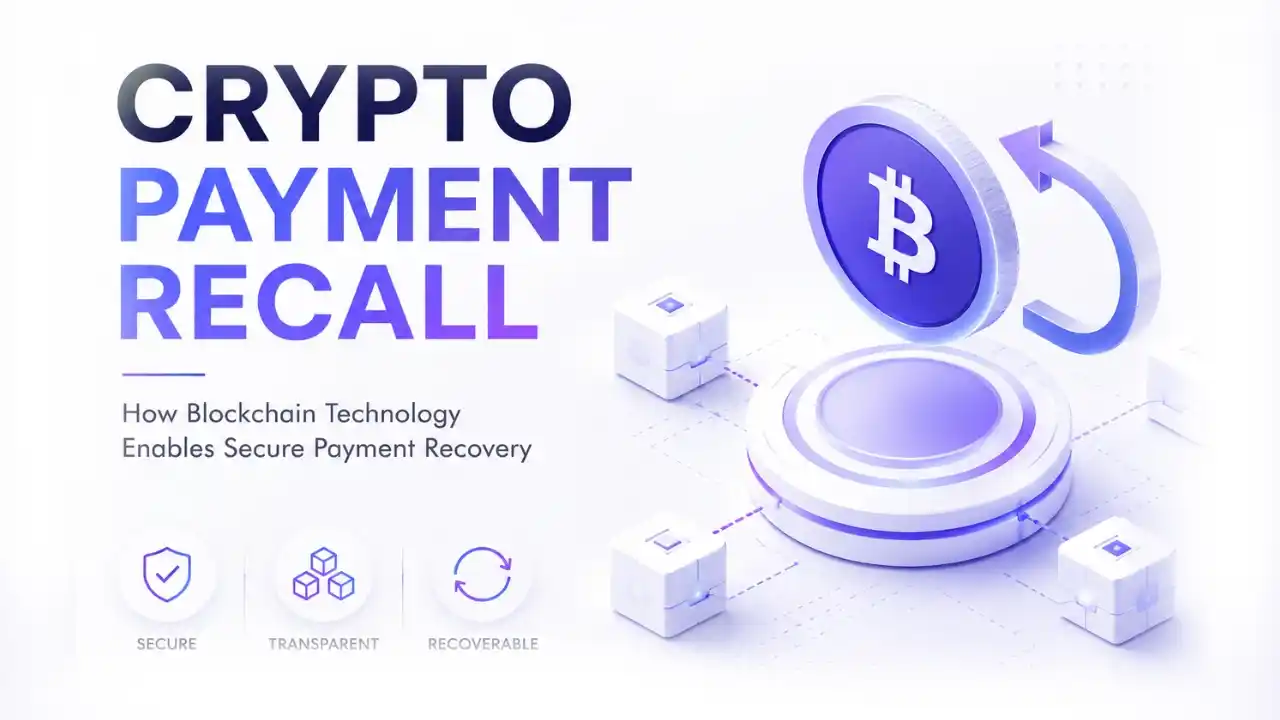
The banking system and the blockchain do not necessarily treat completed transactions in the same way. A crypto transfer may be practically irreversible once the asset has been released, while the corresponding bank payment can later be disputed, recalled or investigated.
That creates the possibility of a double loss: the seller has already delivered the crypto, but the fiat payment used to buy it may still be challenged.
In this case, however, the records do not show that the seller had already lost the fiat funds. At the date of the expert report, the disputed amounts were described as held or blocked while the matter was being reviewed. The seller had not authorised their return because the corresponding digital assets had already been delivered.
A recall does not automatically mean fraud
A bank recall, by itself, does not establish that the buyer committed fraud.
There can be several possible explanations:
- An account may have been compromised,
- Digital-banking credentials may have been misused,
- A platform account may have been operated by another person,
- The account holder may genuinely dispute the transaction.
- There is also the possibility that a payment is intentionally challenged after the crypto has already been received.
Determining which explanation is correct requires evidence that is usually held by the bank, the crypto platform or competent authorities.
Why the matter required further investigation
The concern came from the overall sequence and pattern rather than from one isolated fact. Relevant indicators included:
- Multiple P2P trades completed within a relatively short period;
- Fiat payments appearing in the seller’s bank account before release of the crypto;
- Completed escrow transactions with no recorded pre-release dispute;
- Recall activity arising only after the digital assets had already been delivered;
- Repeated counterparty activity across several transactions; and
- Post-transaction communications that did not resolve the issue and raised further questions about account control.
These factors were sufficient to justify further review, but they were not treated as proof that any named person had committed fraud or wrongdoing.
What the Investigation Needed to Prove
Once the recalls were raised, the key issue was no longer simply whether money had entered the seller’s account. The real question became whether the payment, the P2P order and the crypto release could be tied together clearly enough to show what happened and when.
The evidence package therefore focused on records such as:
- the original P2P order and completion record;
- bank statements showing the incoming fiat credit;
- the timing of the payment and the timing of the crypto release;
- escrow release confirmations;
- payment evidence uploaded through the platform;
- buyer or platform profile information available at the time;
- bank recall notices and hold/block communications;
- platform chats and support records; and
- relevant wallet or transaction information.
How Tulpar Solved the Crypto Payment Dispute
We were engaged to review and organise the available evidence after the recalls arose. Our work involved reconstructing the transaction chronology, matching the banking records to the completed P2P trades and crypto releases, identifying the relevant financial-crime indicators, and preparing an independent report setting out what still required verification by the bank, the platform and competent authorities.
The report did not make a finding of guilt and did not determine that the recalls were fraudulent. Its purpose was to present the facts and evidence in a structured form and identify the further records that would be needed to determine what had actually happened.
Can this kind of situation be resolved?
Yes, this kind of crypto dispute can potentially be resolved.But there is no automatic reversal mechanism that simply returns the crypto to the seller. The outcome depends on what the relevant institutions establish about the original payment, the recall request, account control and the movement of the digital assets.
Where the fiat funds are still held rather than finally returned, the seller may seek to show that the payment corresponded to a genuine completed trade: the money was received, the seller relied on that receipt, the crypto was delivered, and the dispute arose only afterwards.
The bank and platform may then need to verify matters such as the reason for the recall, the identity and authentication used to initiate it, account login and device records, KYC information, linked accounts and the subsequent movement of the digital assets. Depending on the facts, the matter may then proceed through banking, platform, law-enforcement or legal channels.
Lessons for Crypto Businesses

For P2P crypto activity, “the money arrived” should not be the only record a business keeps.
If a payment is later challenged, the seller needs to be able to reconstruct the entire transaction: the order, the bank credit, the payer information, the timing, the escrow release and the subsequent dispute. That evidence may become the difference between an unexplained bank recall and a clearly documented commercial transaction that can be properly investigated.
The wider point is that P2P crypto risk sits between two systems: a banking system where payments can be disputed and a blockchain environment where transfers may be irreversible. Businesses operating between the two need controls and records that reflect both.
We received outstanding feedback from the client for providing Crypto Tax Consultation Services . A thoroughly documented case containing all evidence in order, a clear chronological breakdown of transactions, and separate expert report for them to use as a resource.
Public case-study notice: This article is anonymised and provided for educational purposes only. It does not identify or accuse any person, company, bank or platform of fraud, criminal conduct or wrongdoing. The underlying matter had not reached a final determination at the date of the source report. This article is not legal advice or a guarantee of any particular outcome.